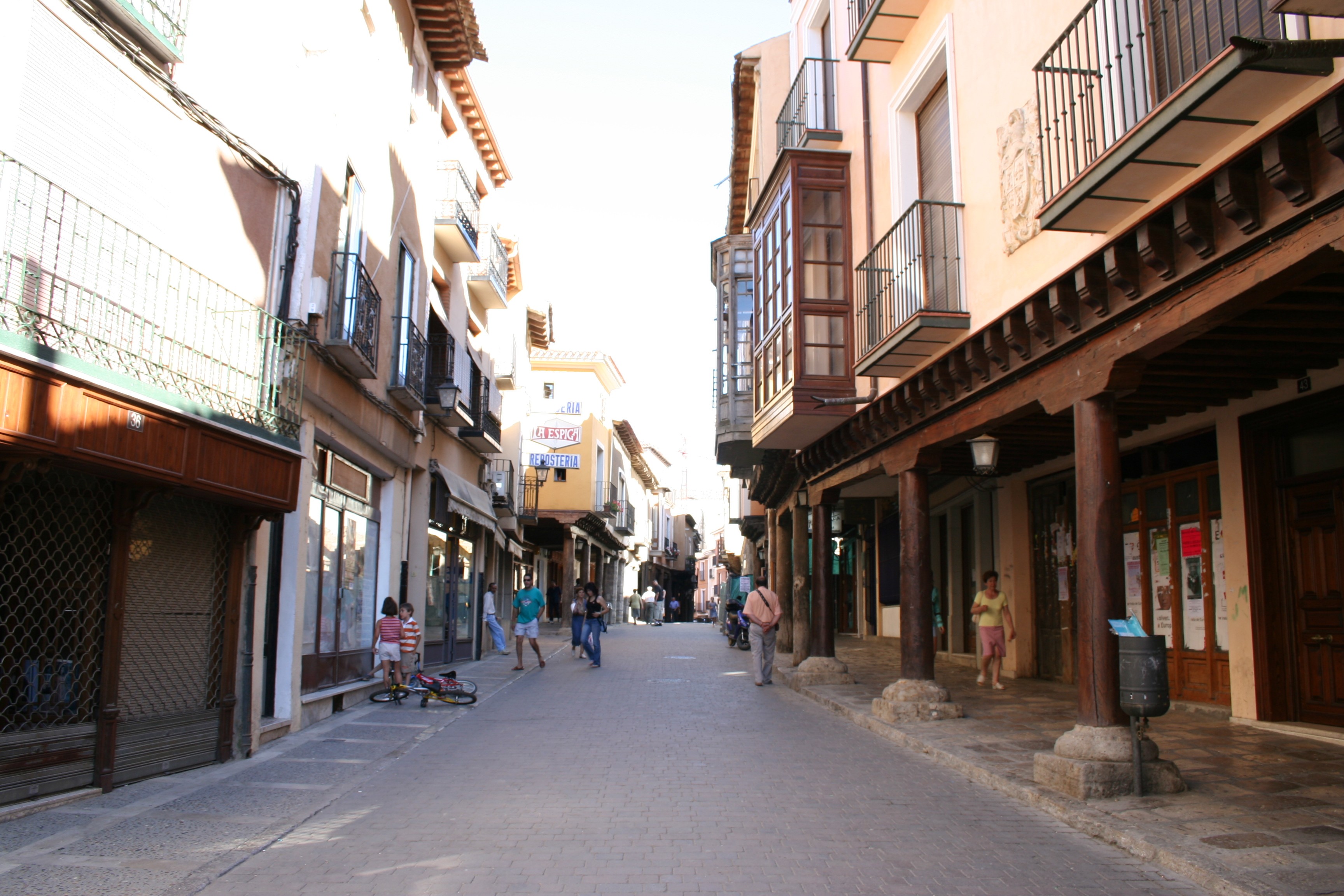
Valladolid · Castilla y León
Medina de Rioseco
- Province
- Valladolid
- Declared
- 1965
- Status
- Conjunto Histórico
- Population
- 4938
- Elevation
- 741 m
Medina de Rioseco is a heritage town in the province of Valladolid, Castilla y León, Spain. It was designated a Conjunto Histórico (Spain's national heritage designation for historic ensembles) in 1965. Population 4938 (2013), elevation 741m.
Key facts
- Province
- Valladolid
- Heritage status
- Conjunto Histórico (declared 1965)
- Population
- 4938 (2013)
- Elevation
- 741 m
History of Medina de Rioseco
The earliest traces of Rioseco date to the Iron Age and Celtiberian period. During the Visigothic era, this area was known as the Campos Góticos. The town's name likely derives from this period - "Medina" comes from Arabic meaning "the city" - when the region became a colonization territory of the Astur-Leonese kingdom in the mid-8th century.
The area sat at the conflicted frontier between the Kingdom of León and the County of Castile. Alfonso X established definitive boundaries with Valladolid in 1258. The town's commercial importance began officially in 1423 when Juan II granted Alfonso Enríquez, Admiral of Castile, lordship over Medina de Rioseco.
That same year brought the privilege of an annual twenty-day fair after Easter's first Sunday, followed by a second fair in 1427. The 16th century marked the town's golden age - it became the global distribution center for silver from the Indies via Sevilla, hosted the kingdom's most important fairs after Medina del Campo, and saw the construction of its four major churches. Many residents departed for America, sending back substantial donations that funded the town's religious buildings and penitential brotherhoods.
Heritage & Monuments
Santa María de Mediavilla stands at the town's highest point, begun in the late 15th century in late Gothic style with Renaissance and Baroque additions. The tower was rebuilt in 1700 after collapse. Inside, the Benavente chapel showcases elaborate sculptural work by the Corral brothers from Villalpando, with a Juan de Juni altarpiece and Francisco de Villalpando ironwork.
A Mexican caimán skin, donated by Manuel Milán who became mayor of Puebla, hangs above the entrance. The exceptional Renaissance main altarpiece was created jointly by Gaspar Becerra, Juan de Juni, and Esteban Jordán. Santiago church began construction in 1533 under Rodrigo Gil de Hontañón, extending through the Baroque period when the vaults were completed.
Multiple architectural periods created varied façades - the south door is Plateresque, the north late Gothic, and the main entrance Classicist with Herreresque influence. The interior features a Gothic hall plan with polychrome plasterwork vaults by Felipe Berrojo and a monumental main altarpiece designed by Joaquín de Churriguera with carvings by Tomás de Sierra.
Practical Travel Info
Madrid Barajas Airport provides the best access to the Castile-León region, with several buses departing directly for the area. High-speed trains connect Madrid Chamartín to main cities, while slower services run from Madrid Principio Pio. Alsa operates the primary inter-city bus network from Madrid Estación Sur and Moncloa interchange, with some services starting from Madrid Airport.
Regional trains and buses link main towns, with stations typically within 30 minutes' walk of major sights. Restaurant dining starts late - establishments rarely open before 19:30 and serve dinner an hour later. The region produces wines from a dozen DOP-designated areas, primarily red wines from Tempranillo grapes.
Location
Ratings & reviews on Google Maps
Quick answers
When was it declared heritage?▾
Conjunto Histórico in 1965.