León · Castilla y León
Villafranca del Bierzo
- Province
- León
- Declared
- 1965
- Status
- Conjunto Histórico
- Population
- 3316
- Elevation
- 499 m
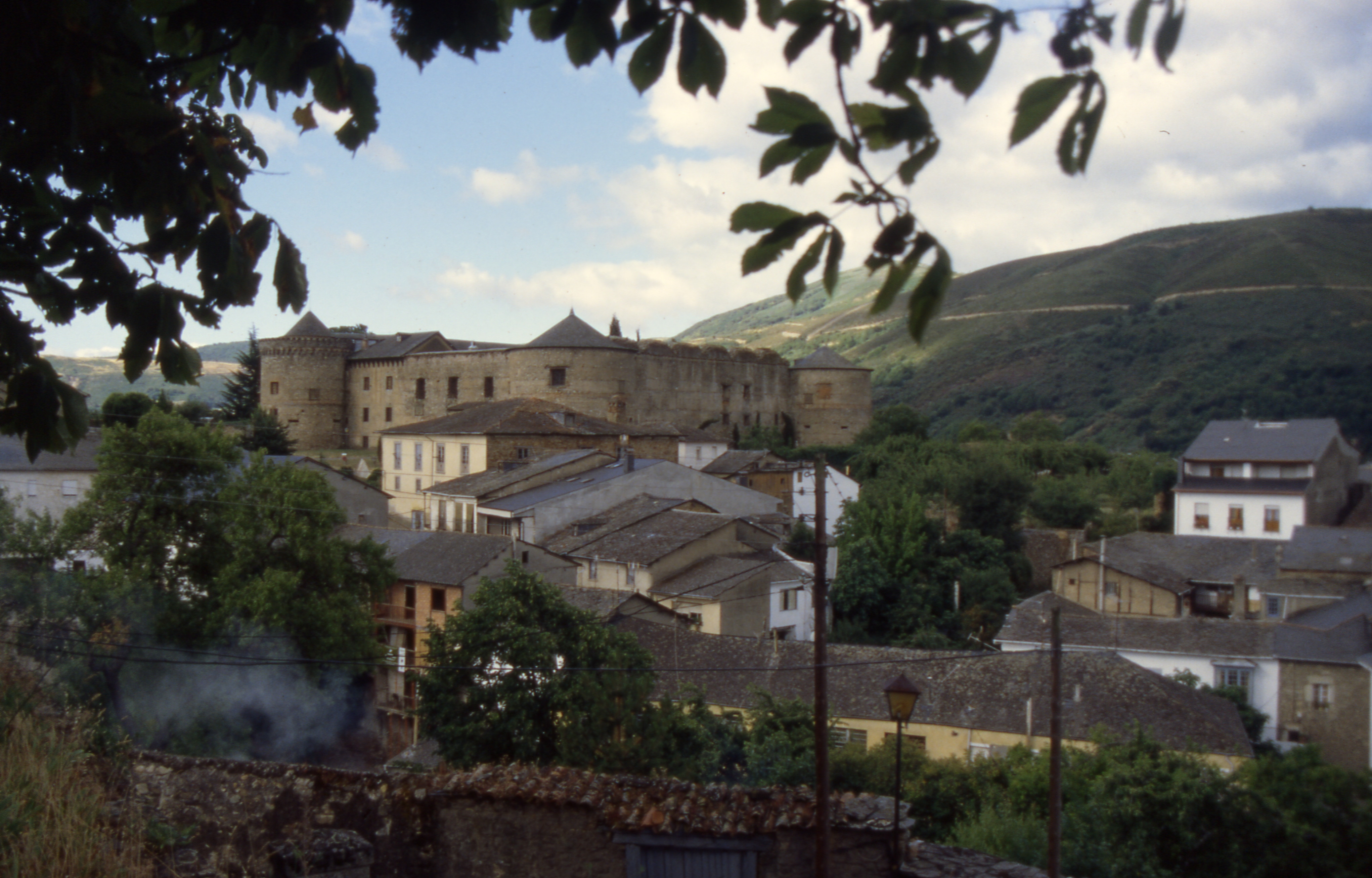
Villafranca del Bierzo is a heritage town in the province of León, Castilla y León, Spain. It was designated a Conjunto Histórico (Spain's national heritage designation for historic ensembles) in 1965. Population 3316 (2013), elevation 499m.
Key facts
- Province
- León
- Heritage status
- Conjunto Histórico (declared 1965)
- Population
- 3316 (2013)
- Elevation
- 499 m
History of Villafranca del Bierzo
Archaeological evidence from the museum in the former Jesuit college of San Nicolás reveals Neolithic axes, bronze spearheads, and Bronze Age artifacts pointing to pre-Roman settlement in the area. The nearby Castro de la Ventosa marks the site of the ancient Celtic city of Bergidum, later moved to Cacabelos as Bergidum Flavium. Pre-Roman roads mentioned in the Antonine Itinerary passed through this region.
The earliest recorded reference dates to 791 during the reign of Bermudo I, when a battle occurred near the Burbia river between Muslims returning from Galicia and Christian forces, resulting in heavy losses for the Asturian king's army. After the discovery of Saint James's body in 813 sparked pilgrimages to Compostela, Villafranca emerged as a crucial stop before the narrow Valcarce valley, positioned at river crossings of the Burbia, Valcarce, and Barburiña streams.
French Benedictine monks from Cluny established the monastery of Santa María de Cluniaco in 1070 under Alfonso VI to serve French pilgrims, introducing viticulture to the region. A community of French settlers formed, giving the town its name "villa francorum." Alfonso VI issued a decree on December 17, 1072, exempting pilgrims from tolls at nearby Santa María de Autares castle. The settlement had dual governance with separate magistrates for French residents and locals. Alfonso VII granted lordship to his sister, Infanta Sancha Raimúndez, followed by other royal women including Queens Urraca and Teresa.
Location
Ratings & reviews on Google Maps
Quick answers
When was it declared heritage?▾
Conjunto Histórico in 1965.